
HOW TO STAY MOTIVATED AND CONSISTENT WITH YOUR FITNESS JOURNEY
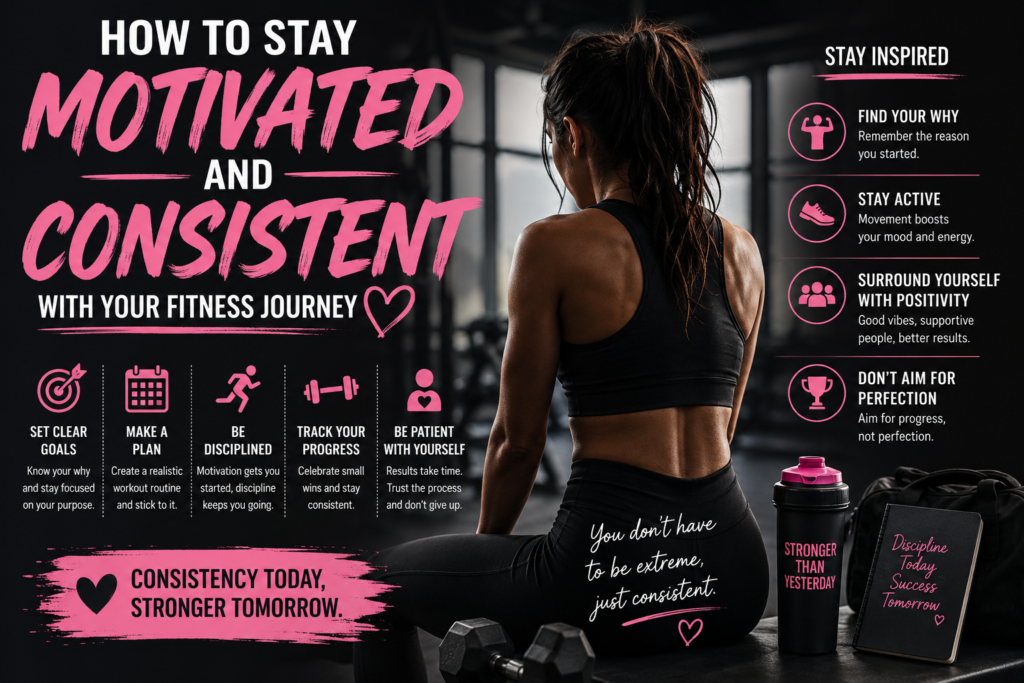
How to Stay Motivated and Consistent with Your Fitness Journey Starting a fitness journey is exciting. The motivation is high, new goals feel achievable, and every workout seems like a step toward a healthier future. However, after a few weeks, many people begin to lose motivation. Busy schedules, slow progress, and everyday challenges can make it difficult to stay consistent. The truth is that motivation comes and goes—but consistency is what creates lasting results. You don’t need to feel motivated every day. You simply need habits that keep you moving forward even on the days you don’t feel like working out. In this guide, you’ll learn practical strategies to stay motivated, build consistency, and make fitness a lifelong habit rather than a temporary challenge. Why Motivation Doesn’t Last Forever Motivation is an emotion, and emotions naturally fluctuate. Some days you’ll wake up excited to train, while other days you’ll feel tired, busy, or unmotivated. This is completely normal. The people who achieve long-term fitness success aren’t motivated every day—they’ve built routines that help them stay consistent regardless of how they feel. Instead of relying on motivation, focus on building discipline and healthy habits. Set Clear and Realistic Goals One of the biggest reasons people quit is because their goals are unrealistic. Rather than saying: “I want to lose 20 kg in two months.” Set goals like: Exercise four times a week. Walk 10,000 steps daily. Drink 3 liters of water every day. Increase strength every month. Lose 0.5–1 kg per week. Small, achievable goals build confidence and create momentum. Find Your “Why” Ask yourself why you started your fitness journey. Your reason might be: To become healthier To feel more confident To build strength To improve mental health To have more energy To inspire your family Write your reason somewhere you’ll see it every day. Your “why” will keep you going when motivation fades. Create a Workout Schedule Treat your workouts like important appointments. Choose specific days and times for exercise instead of working out only when you “feel like it.” For example: Monday – Strength Training Tuesday – Cardio Wednesday – Rest Thursday – Strength Training Friday – Cardio Saturday – Active Recovery Sunday – Rest Having a routine removes the need to make daily decisions. Focus on Progress, Not Perfection Many people quit after missing one workout or eating one unhealthy meal. Remember: One bad day won’t ruin your progress. What matters is getting back on track as soon as possible. Fitness is about consistency over months and years—not perfection every single day. Track Your Progress Progress is one of the biggest motivators. Keep track of: Body weight Progress photos Body measurements Strength improvements Workout performance Running speed Energy levels Sometimes the scale doesn’t change, but your strength, endurance, and confidence improve significantly. Celebrate every small victory. Make Exercise Enjoyable You don’t have to force yourself to do workouts you dislike. Try different activities such as: Weight training Running Swimming Cycling Yoga Dance fitness Hiking Basketball Boxing The best workout is the one you’ll continue doing consistently. Build Healthy Habits Success comes from daily habits. Start with simple habits like: Preparing gym clothes the night before. Drinking water first thing in the morning. Walking after meals. Sleeping 7–9 hours every night. Meal prepping for the week. Stretching for 10 minutes daily. Small habits become automatic over time. Surround Yourself with Positive People Your environment influences your behavior. Spend time with people who encourage healthy choices. You can: Join a gym community. Work out with a friend. Hire a trainer. Participate in fitness challenges. Follow inspiring fitness creators online. Support and accountability make consistency much easier. Don’t Compare Yourself to Others Social media often shows only the highlights of someone’s fitness journey. Everyone starts at a different point. Focus on becoming better than you were yesterday rather than trying to match someone else’s progress. Your only competition is yourself. Celebrate Small Wins Every achievement deserves recognition. Celebrate things like: Completing your first workout Lifting heavier weights Running farther than before Choosing healthy meals consistently Sleeping better Drinking enough water daily Small victories build confidence and keep motivation alive. Accept That Progress Takes Time Fitness is not a quick fix. Real transformation takes patience, consistency, and dedication. There will be weeks when progress feels slow. Trust the process. Every workout, healthy meal, and good night’s sleep is bringing you closer to your goals. Learn to Stay Consistent on Difficult Days Some days you’ll be tired or busy. Instead of skipping your workout completely: Do a 20-minute workout. Go for a walk. Stretch at home. Perform bodyweight exercises. Doing something is always better than doing nothing. Consistency isn’t about giving 100% every day. It’s about showing up, even if you can only give 50%. Prioritize Recovery Recovery is just as important as training. Make sure you: Sleep 7–9 hours each night. Eat enough protein. Stay hydrated. Take rest days. Stretch regularly. A recovered body performs better and stays motivated longer. Stay Patient and Trust the Process The people you admire didn’t transform overnight. They stayed consistent through: Busy schedules Low motivation Plateaus Setbacks Challenges The difference is they didn’t quit. Your future self will thank you for the effort you put in today. Common Mistakes That Kill Motivation Avoid these common pitfalls: Setting unrealistic expectations Comparing yourself to others Skipping meals Overtraining Expecting instant results Relying only on motivation Giving up after one bad day Remember, progress isn’t always visible immediately—but every healthy choice counts. Final Thoughts Staying motivated and consistent isn’t about having endless willpower—it’s about building habits that make healthy choices part of your daily life. Motivation will come and go, but discipline, routine, and patience are what lead to lasting success. Set realistic goals, celebrate your progress, surround yourself with positive influences, and remember why you started. Your fitness journey is a marathon, not a sprint. Some days will be easier than others, but every step forward—no matter how small—brings you closer to becoming the healthiest, strongest
RECOVER MATTERS

Recover Matters: Your Complete Guide to Recovery for Better Fitness Results Recovery is one of the most overlooked aspects of fitness. Many people believe that spending more hours in the gym automatically leads to better results. In reality, your body doesn’t become stronger while you’re lifting weights—it becomes stronger during recovery. Whether your goal is building muscle, losing fat, improving athletic performance, or simply staying healthy, recovery plays a crucial role in helping you reach your fitness goals. In this guide, we’ll explore why recovery matters, the science behind it, and the best strategies to help your body recover effectively. What Is Recovery? Recovery is the process through which your body repairs damaged muscle fibers, replenishes energy stores, restores hormonal balance, and prepares itself for your next workout. Every exercise session creates tiny tears in your muscles. These microscopic tears are completely normal and are essential for muscle growth. During recovery, your body repairs these fibers, making them stronger and more resilient than before. Without adequate recovery, your body never gets the chance to fully rebuild, increasing the risk of fatigue, injuries, and stalled progress. Why Recovery Matters Many fitness enthusiasts focus solely on training intensity while ignoring recovery. However, recovery is just as important as your workouts. Proper recovery helps you: Build lean muscle more efficiently Improve overall strength and endurance Reduce muscle soreness Prevent injuries Restore energy levels Improve flexibility and mobility Boost athletic performance Support healthy hormone production Maintain motivation and consistency Think of recovery as the bridge between today’s workout and tomorrow’s progress. Signs You’re Not Recovering Properly If your body isn’t getting enough time to recover, it will often show warning signs. Common symptoms include: Constant muscle soreness Feeling tired even after sleeping Decreased workout performance Lack of motivation Poor concentration Frequent illnesses Difficulty sleeping Increased resting heart rate Joint pain Mood swings or irritability Ignoring these signs may eventually lead to overtraining syndrome, which can take weeks or even months to recover from. The Different Types of Recovery 1. Passive Recovery Passive recovery involves complete rest with little or no physical activity. Examples include: Sleeping Relaxing Taking a full rest day Meditation This type of recovery allows your nervous system and muscles to fully recharge. 2. Active Recovery Active recovery involves light physical movement that promotes blood circulation without placing additional stress on the body. Examples include: Walking Cycling at low intensity Gentle swimming Yoga Stretching Active recovery can help reduce stiffness and improve muscle recovery. Sleep: The Most Powerful Recovery Tool Sleep is where most recovery happens. During deep sleep, your body releases growth hormone, repairs muscle tissue, strengthens the immune system, and restores energy. Adults should aim for 7–9 hours of quality sleep each night. Tips for better sleep: Maintain a consistent sleep schedule. Avoid screens before bedtime. Keep your bedroom cool and dark. Limit caffeine late in the day. Avoid heavy meals before sleeping. Never underestimate the power of quality sleep. Nutrition for Recovery Proper nutrition speeds up recovery and prepares your body for future workouts. Protein Protein repairs damaged muscle tissue and supports muscle growth. Excellent protein sources include: Chicken Eggs Fish Greek yogurt Cottage cheese Tofu Lentils Protein shakes Aim to include protein in every meal. Carbohydrates Carbohydrates replenish glycogen stores that are depleted during exercise. Healthy carbohydrate sources include: Rice Oats Sweet potatoes Whole grains Fruits Quinoa Eating carbohydrates after training helps restore energy. Healthy Fats Healthy fats reduce inflammation and support hormone production. Choose foods like: Avocados Nuts Seeds Olive oil Fatty fish Hydration Water is essential for muscle function and recovery. Even mild dehydration can reduce performance and slow the recovery process. Drink water consistently throughout the day and replace electrolytes after long or intense workouts. Stretching and Mobility Stretching improves flexibility and reduces muscle tightness. Include: Dynamic stretches before workouts Static stretches after workouts Foam rolling Mobility exercises Regular mobility work also helps prevent injuries and improve movement quality. Rest Days Are Productive Days Many people feel guilty about taking rest days. The truth is that rest is part of the training process. One or two rest days each week allow your muscles, joints, and nervous system to recover completely. Remember: Resting doesn’t mean you’re losing progress—it means you’re building it. Stress Management Physical stress isn’t the only type of stress your body experiences. Mental stress increases cortisol levels, which may interfere with recovery and muscle growth. Ways to reduce stress include: Meditation Deep breathing Journaling Spending time outdoors Listening to music Reading Spending time with family and friends A healthy mind supports a healthy body. Recovery Tools You Can Try Many athletes use additional recovery methods to improve performance. Popular options include: Foam rollers Massage guns Ice baths Contrast showers Compression garments Sports massage While these tools can help reduce soreness, they should complement—not replace—good sleep, nutrition, and rest. Common Recovery Mistakes Avoid these common mistakes: Skipping rest days Sleeping too little Eating insufficient protein Not drinking enough water Training the same muscles every day Ignoring pain Overdoing cardio Neglecting mobility work Small recovery mistakes can add up over time and slow your progress. Sample Weekly Recovery Plan A balanced week might look like this: Monday: Strength training Tuesday: Cardio + mobility Wednesday: Strength training Thursday: Active recovery (walking or yoga) Friday: Strength training Saturday: Light cardio and stretching Sunday: Full rest This balance helps your body recover while maintaining consistent progress. Final Thoughts Recovery isn’t a break from fitness—it’s an essential part of it. Every workout challenges your body, but recovery is what allows you to adapt, grow stronger, and come back ready for the next session. By prioritizing quality sleep, balanced nutrition, proper hydration, active recovery, and regular rest days, you’ll improve your performance, reduce your risk of injury, and achieve better long-term results. Instead of asking, “How hard should I train?” also ask, “How well am I recovering?” The answer to that question could make all the difference in your fitness journey. Remember: Train hard, recover smarter, and let your
NUITRITION PLAN
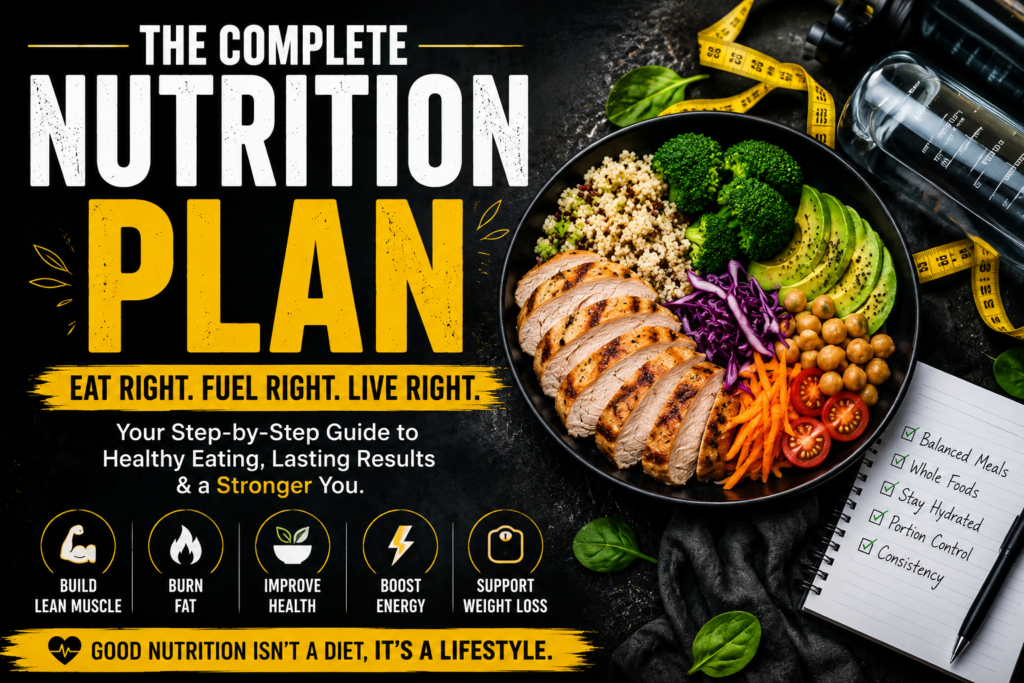
The Complete Nutrition Plan Guide: Fuel Your Body for Better Health and Fitness Introduction No matter what your fitness goal is—losing fat, building muscle, improving athletic performance, or simply living a healthier lifestyle—nutrition plays the most important role. You cannot out-train a poor diet. Even the best workout routine will produce limited results if your body isn’t receiving the nutrients it needs. A proper nutrition plan isn’t about following strict diets or eliminating your favorite foods. Instead, it’s about creating balanced eating habits that nourish your body, support your goals, and are sustainable in the long run. In this complete guide, you’ll learn how to build a healthy nutrition plan, understand macronutrients, choose the right foods, stay hydrated, and avoid common nutrition mistakes. What Is a Nutrition Plan? A nutrition plan is a structured approach to eating that provides your body with the right amount of calories and nutrients to support your health and fitness goals. A good nutrition plan should: Provide enough energy for daily activities Supply essential vitamins and minerals Support muscle growth and recovery Help manage body weight Improve overall health Be practical and easy to follow The best nutrition plan is one that you can maintain consistently. Understanding Calories Calories are units of energy that come from the food and drinks you consume. Your body uses these calories to perform every function, from breathing to exercising. There are three key calorie levels: Maintenance Calories The number of calories needed to maintain your current body weight. Calorie Deficit Eating fewer calories than your body burns, which helps with fat loss. Calorie Surplus Eating more calories than your body burns, which supports muscle gain when combined with strength training. Understanding your calorie needs is the first step in creating an effective nutrition plan. The Three Macronutrients Every balanced diet consists of three primary macronutrients. Protein Protein is essential for repairing tissues, building muscle, and supporting recovery after exercise. Good protein sources include: Chicken breast Fish Eggs Paneer Greek yogurt Tofu Lentils Beans Whey protein Aim to include a quality protein source with each meal. Carbohydrates Carbohydrates are your body’s preferred source of energy, especially during exercise. Healthy carbohydrate choices include: Brown rice Oats Whole wheat bread Sweet potatoes Fruits Vegetables Quinoa Choose mostly complex carbohydrates, which provide longer-lasting energy. Healthy Fats Healthy fats support hormone production, brain function, and the absorption of fat-soluble vitamins. Excellent sources include: Avocados Almonds Walnuts Olive oil Chia seeds Flaxseeds Peanut butter (in moderation) Healthy fats should be part of every balanced diet. The Importance of Micronutrients While macronutrients provide energy, micronutrients keep your body functioning properly. These include: Vitamins Minerals Antioxidants Eating a wide variety of colorful fruits and vegetables helps ensure you get the nutrients your body needs. Build a Balanced Plate A simple way to create healthy meals is to divide your plate into sections: Half the plate: Vegetables and salads One-quarter: Lean protein One-quarter: Whole-grain carbohydrates Add a small serving of healthy fats This approach provides a balanced mix of nutrients without the need for complicated meal planning. Stay Hydrated Water is essential for digestion, nutrient transport, body temperature regulation, and exercise performance. General recommendations: Drink 2.5–4 liters of water per day. Increase your intake if you’re active, exercising in hot weather, or sweating heavily. Carry a reusable water bottle and sip throughout the day rather than waiting until you’re thirsty. Meal Timing Although total daily nutrition matters most, eating consistently can help with energy levels and recovery. Consider: Eating breakfast if it suits your routine. Including protein in every meal. Having a balanced meal 2–3 hours before training. Eating a protein-rich meal after your workout to support recovery. Find a meal schedule that fits your lifestyle and is easy to maintain. Healthy Snacks Nutritious snacks can help you stay full between meals. Great options include: Greek yogurt with fruit Mixed nuts Boiled eggs Cottage cheese Apple with peanut butter Roasted chickpeas Protein smoothie Choose snacks that combine protein, healthy fats, or fiber for better satiety. Foods to Limit No food needs to be completely banned, but some should be enjoyed in moderation. Try to limit: Sugary drinks Deep-fried foods Highly processed snacks Excess sweets Fast food Refined grains The goal is balance, not perfection. Common Nutrition Mistakes Avoid these common errors: Skipping meals regularly Eating too little protein Not drinking enough water Following extreme fad diets Ignoring portion sizes Relying heavily on supplements Eating mindlessly while distracted Expecting instant results Consistency with healthy habits is far more effective than short-term restrictions. Sample One-Day Nutrition Plan Breakfast Oatmeal topped with berries and nuts Two boiled eggs Glass of milk or a cup of Greek yogurt Mid-Morning Snack Apple Handful of almonds Lunch Grilled chicken or paneer Brown rice Mixed vegetables Salad Afternoon Snack Greek yogurt Banana Dinner Grilled fish, tofu, or lentils Sweet potato Steamed broccoli and carrots Evening Snack (Optional) Cottage cheese or a protein shake Adjust portion sizes based on your calorie and activity needs. Do You Need Supplements? Supplements can be useful in some situations, but they should complement—not replace—a healthy diet. Common supplements include: Whey protein (to help meet protein needs) Creatine monohydrate (to support strength and performance) Vitamin D (if recommended by a healthcare professional) Fish oil (if your diet is low in omega-3 fats) Always prioritize whole foods first. Tips for Long-Term Success Building healthy eating habits takes time. These strategies can help you stay consistent: Plan your meals ahead of time. Keep healthy snacks available. Cook more meals at home. Read nutrition labels. Practice portion control. Enjoy treats occasionally without guilt. Stay physically active. Focus on progress rather than perfection. Small, sustainable habits create lasting results. Final Thoughts A successful nutrition plan isn’t about strict rules or temporary diets—it’s about giving your body the fuel it needs to thrive. By eating a balanced mix of protein, carbohydrates, healthy fats, fruits, and vegetables, staying hydrated, and practicing consistency, you can support your fitness goals while improving your overall health. Whether your goal
THE ULTIMATE GUIDE TO STRENTGH TRAINING
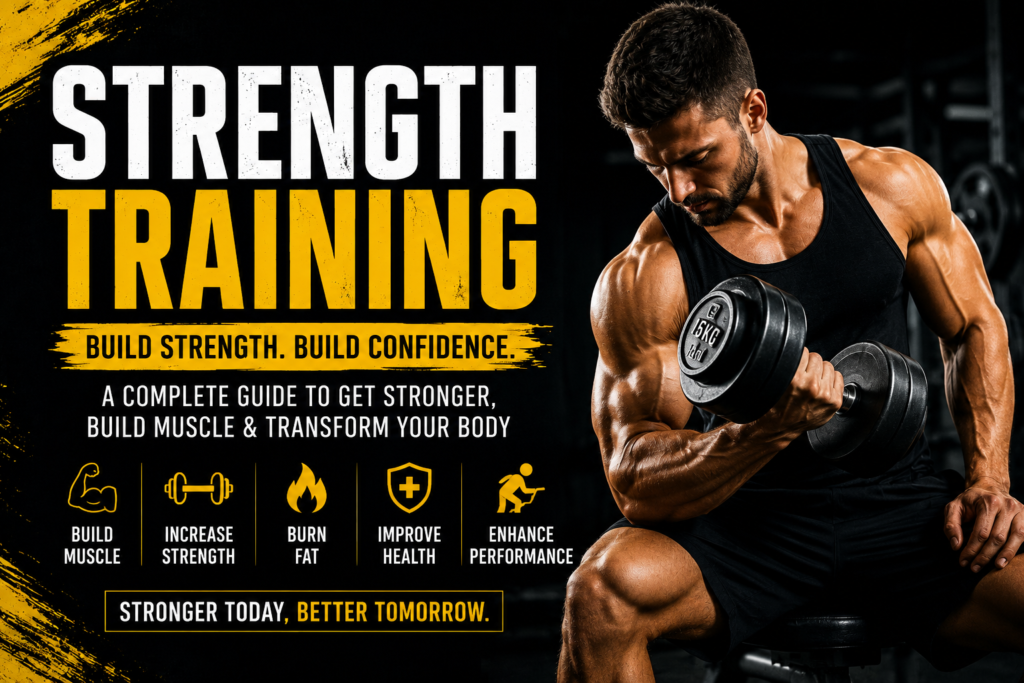
The Ultimate Guide to Strength Training: Build Muscle, Gain Strength & Transform Your Body Introduction Strength training is one of the most effective ways to improve your overall health, increase muscle mass, burn fat, and boost confidence. Whether you’re a beginner stepping into the gym for the first time or an experienced lifter looking to improve your performance, strength training offers countless physical and mental benefits. Contrary to popular belief, strength training isn’t just for bodybuilders or athletes. It is suitable for people of all ages and fitness levels. By following a structured workout plan, eating a balanced diet, and allowing your body enough time to recover, you can build strength safely and effectively. In this complete guide, you’ll learn everything you need to know about strength training, including its benefits, training principles, workout routines, nutrition, recovery, and common mistakes to avoid. What Is Strength Training? Strength training, also known as resistance training or weight training, is a form of exercise that improves muscular strength and endurance by making your muscles work against resistance. This resistance can come from: Free weights (dumbbells and barbells) Weight machines Resistance bands Kettlebells Medicine balls Your own body weight (push-ups, pull-ups, squats, dips) The goal is to challenge your muscles so they become stronger and more efficient over time. Benefits of Strength Training Strength training provides far more than bigger muscles. It positively affects nearly every system in your body. 1. Builds Muscle Mass Regular resistance training stimulates muscle growth, helping you develop a stronger, leaner physique. 2. Increases Strength Daily activities become easier as your muscles become stronger. Lifting groceries, climbing stairs, and playing sports all improve. 3. Burns More Calories Muscle tissue requires more energy than fat tissue, meaning people with more muscle generally burn more calories throughout the day. 4. Improves Bone Health Strength training increases bone density, reducing the risk of osteoporosis and fractures as you age. 5. Enhances Athletic Performance Whether you play basketball, football, cricket, or run marathons, increased strength improves speed, power, balance, and endurance. 6. Boosts Confidence Seeing yourself become stronger and healthier often improves self-esteem and motivation. 7. Supports Long-Term Health Regular resistance training can help improve blood sugar control, heart health, posture, mobility, and overall quality of life. The Principle of Progressive Overload The secret to getting stronger is progressive overload. This means gradually increasing the challenge placed on your muscles over time. You can do this by: Increasing the weight Performing more repetitions Adding extra sets Improving exercise technique Reducing rest time Increasing workout intensity Small, consistent improvements lead to long-term progress. Compound vs Isolation Exercises Compound Exercises These movements work multiple muscle groups at the same time. Examples include: Squats Deadlifts Bench Press Overhead Press Pull-Ups Rows Compound exercises build the most strength and should form the foundation of your workouts. Isolation Exercises Isolation movements target one specific muscle. Examples include: Bicep Curls Tricep Pushdowns Leg Extensions Hamstring Curls Lateral Raises Calf Raises These are useful for improving weak areas and adding extra muscle development. How Often Should You Train? Training frequency depends on your experience level. Beginners 3 full-body workouts per week Intermediate Lifters 4–5 sessions per week Upper/Lower Split Push/Pull/Legs Split Advanced Lifters 5–6 sessions per week with a structured training program and proper recovery. Sample Beginner Strength Training Routine Day 1 Squats – 3 × 8–10 Bench Press – 3 × 8–10 Dumbbell Row – 3 × 10 Shoulder Press – 3 × 10 Plank – 3 × 30–60 seconds Day 2 Deadlift – 3 × 5–8 Lat Pulldown – 3 × 10 Walking Lunges – 3 × 12 Dumbbell Curls – 3 × 12 Tricep Pushdowns – 3 × 12 Day 3 Leg Press – 3 × 10 Incline Dumbbell Press – 3 × 10 Seated Cable Row – 3 × 10 Lateral Raises – 3 × 15 Hanging Knee Raises – 3 × 12 Nutrition for Strength Training Training hard is only half the equation. Proper nutrition fuels performance and recovery. Protein Protein repairs and builds muscle tissue. Excellent sources include: Chicken Fish Eggs Paneer Greek yogurt Tofu Lentils Whey protein Aim to include protein with every meal. Carbohydrates Carbohydrates provide the energy needed for intense workouts. Choose: Oats Rice Whole grains Sweet potatoes Fruits Vegetables Healthy Fats Healthy fats support hormone production and overall health. Include: Nuts Seeds Olive oil Avocados Peanut butter (in moderation) Recovery Is Where Growth Happens Muscles don’t grow while you’re lifting weights—they grow while you’re recovering. Focus on: 7–9 hours of sleep each night Rest days between intense sessions Staying hydrated Stretching and mobility work Eating enough protein and calories Without proper recovery, progress slows and the risk of injury increases. Common Strength Training Mistakes Avoid these common errors: Skipping warm-ups Using poor exercise technique Lifting weights that are too heavy too soon Ignoring recovery Training inconsistently Neglecting leg workouts Not following a structured program Comparing your progress to others Remember, good form is always more important than lifting heavier weights. Do You Need Supplements? Supplements can support your training but should never replace a balanced diet. Some evidence-based options include: Whey Protein Creatine Monohydrate Vitamin D (if recommended by a healthcare professional) Fish Oil (if your diet lacks omega-3 fats) The biggest improvements will always come from consistent training, proper nutrition, and quality sleep. Staying Motivated Strength training is a long-term commitment. Stay motivated by: Setting realistic goals Tracking your workouts Celebrating small achievements Training with a friend Learning proper technique Enjoying the process instead of chasing perfection Consistency always beats intensity that you can’t maintain. Final Thoughts Strength training is one of the best investments you can make in your health. It builds muscle, increases strength, supports fat loss, improves bone density, enhances confidence, and boosts overall well-being. Start with proper technique, follow a structured program, eat nutritious foods, and allow your body enough time to recover. Progress may seem slow at first, but every workout brings you one step closer to becoming stronger, healthier, and more resilient.
THE COMPLETE FAT LOSS GUIDE
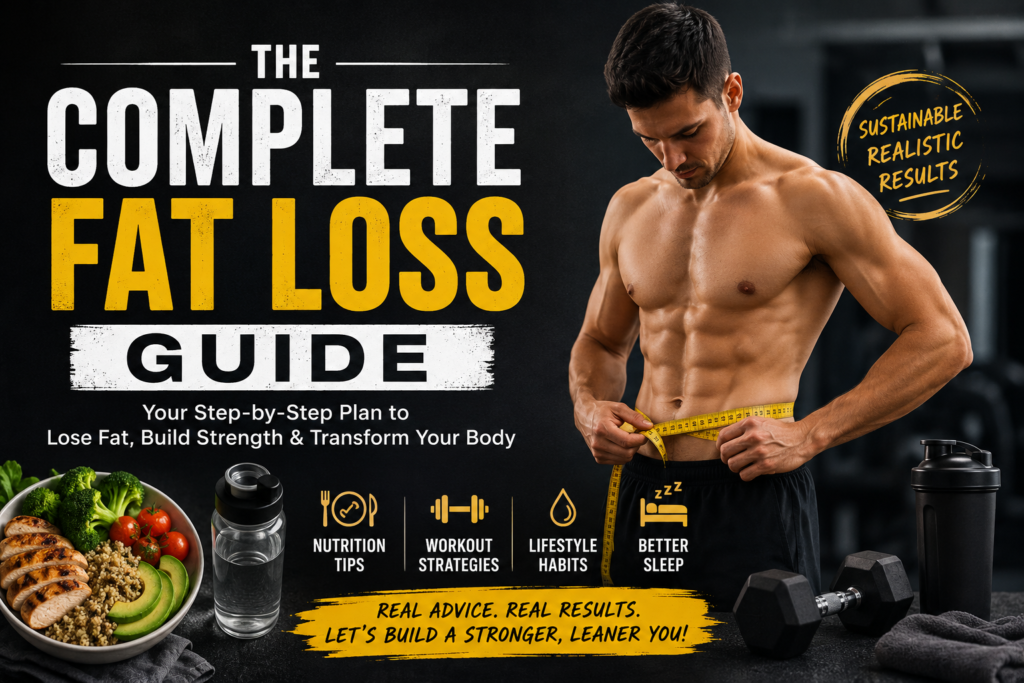
Fat loss is one of the most common fitness goals, but it is also one of the most misunderstood. With countless diet trends, workout programs, and “quick-fix” solutions available online, it’s easy to become confused. The truth is that sustainable fat loss is not about starving yourself or spending hours in the gym—it’s about building healthy habits that you can maintain for life. In this complete fat loss guide, you’ll learn the science behind losing fat, how nutrition and exercise work together, and practical tips to help you achieve lasting results. What Is Fat Loss? Fat loss is the process of reducing your body’s stored fat while preserving as much muscle mass as possible. Unlike weight loss, which includes losing water, muscle, and fat, fat loss focuses specifically on reducing body fat and improving overall body composition. The goal isn’t simply to weigh less—it’s to become healthier, stronger, and more confident. Understanding Calories Your body requires energy to perform everyday activities such as walking, breathing, exercising, and even sleeping. This energy comes from calories. There are three important concepts: Calorie Maintenance: Eating the same number of calories your body burns. Calorie Surplus: Eating more calories than your body burns, leading to weight gain. Calorie Deficit: Eating fewer calories than your body burns, which leads to fat loss. A moderate calorie deficit is the safest and most effective way to lose body fat. Build Your Diet Around Whole Foods Instead of focusing on restrictive diets, prioritize nutritious foods that keep you full and energized. Protein Protein helps preserve muscle during fat loss and increases feelings of fullness. Good protein sources include: Chicken breast Fish Eggs Greek yogurt Paneer Lentils Tofu Healthy Carbohydrates Carbohydrates provide energy for workouts and daily activities. Choose: Brown rice Oats Sweet potatoes Whole wheat bread Fruits Vegetables Healthy Fats Healthy fats support hormones and overall health. Include: Avocados Nuts Seeds Olive oil Peanut butter (in moderation) Stay Hydrated Water plays an essential role in metabolism and digestion. Aim for: 2.5–4 liters of water daily More if you’re physically active or live in a hot climate Sometimes thirst is mistaken for hunger, leading to unnecessary snacking. Strength Training Is Essential Many people believe endless cardio is the key to fat loss. While cardio burns calories, strength training helps maintain and build muscle. Benefits include: Higher calorie burn throughout the day Better body shape Increased metabolism Improved strength Better posture Train each major muscle group at least twice per week. Add Cardio Wisely Cardio is a useful tool but shouldn’t replace resistance training. Good options include: Brisk walking Cycling Swimming Running Jump rope HIIT workouts Aim for 150–300 minutes of moderate cardio per week, depending on your goals. Sleep Matters More Than You Think Poor sleep can increase hunger hormones and reduce motivation. Try to get: 7–9 hours of quality sleep every night Good sleep improves recovery, workout performance, and fat loss. Manage Stress High stress increases cortisol, which may lead to emotional eating and difficulty sticking to healthy habits. Reduce stress through: Meditation Walking Reading Deep breathing Spending time with family and friends Pursuing hobbies Track Your Progress The weighing scale doesn’t tell the whole story. Track: Body measurements Progress photos Strength improvements How your clothes fit Energy levels Fat loss isn’t always linear, so be patient. Common Fat Loss Mistakes Avoid these common errors: Skipping meals Eating too little Overdoing cardio Ignoring protein intake Following crash diets Expecting overnight results Comparing yourself to others Inconsistent workouts Consistency beats perfection every time. Supplements: Do You Need Them? Supplements are optional and should never replace a balanced diet. Some helpful supplements include: Whey protein (to meet protein needs) Creatine monohydrate (supports strength and performance) Vitamin D (if recommended by a healthcare professional) Fish oil (if your diet is low in omega-3 fats) Remember: Nutrition, training, sleep, and consistency matter far more than supplements. Sample Daily Fat Loss Routine Morning Drink water Eat a high-protein breakfast Go for a short walk Afternoon Balanced lunch with protein, vegetables, and complex carbohydrates Stay hydrated Evening Strength training or cardio High-protein dinner Light stretching Night Limit screen time before bed Sleep for 7–9 hours How Long Does Fat Loss Take? Healthy fat loss is a gradual process. A realistic goal is losing around 0.25–1% of your body weight per week, depending on your starting point and overall health. Rapid weight loss often leads to muscle loss and is harder to maintain. Focus on building habits rather than chasing quick results. Final Thoughts There is no secret formula for fat loss. Success comes from consistently eating nutritious foods, maintaining a moderate calorie deficit, strength training regularly, staying active, sleeping well, and being patient with the process. Remember, fat loss is a journey—not a race. Small, consistent improvements each day will produce lasting results. Instead of searching for shortcuts, invest in healthy habits that support your body for years to come. Your goal should not only be to lose fat but also to become stronger, healthier, and more
Why Vegetables Are Important for Fitness?
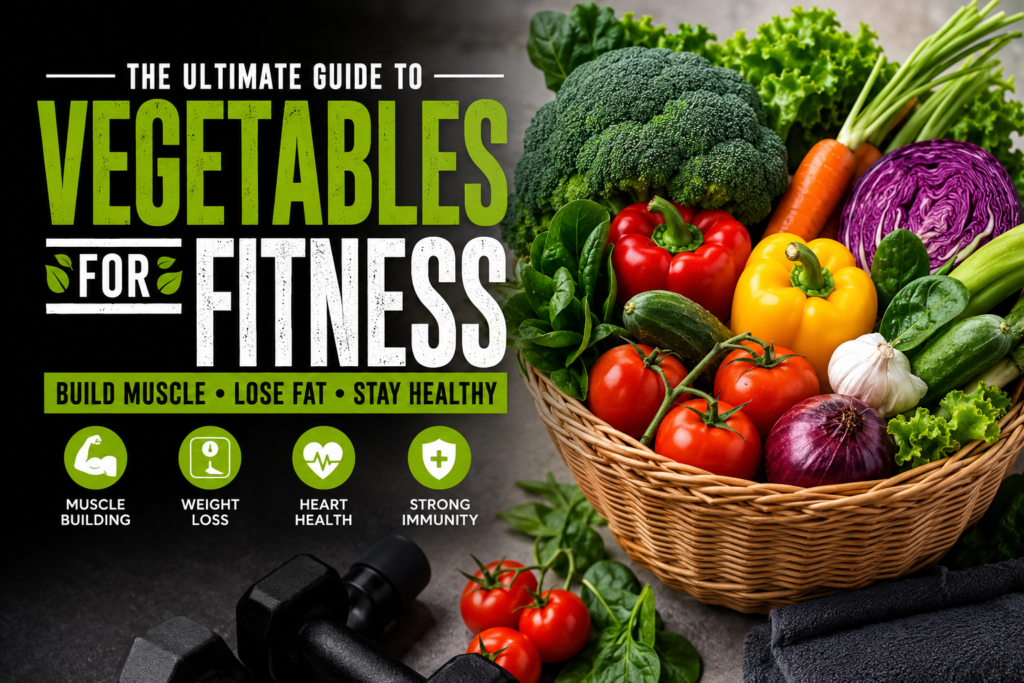
Introduction When people think about fitness, they often focus on protein, supplements, and workouts. However, one of the most powerful tools for improving your health and fitness is something much simpler—vegetables. Vegetables are naturally rich in vitamins, minerals, antioxidants, and fiber while being low in calories. Whether your goal is to lose weight, build lean muscle, improve digestion, or maintain a healthy heart, vegetables should be a major part of your daily diet. In this guide, you’ll learn why vegetables are essential for fitness, which vegetables are the healthiest, and how to include them in your meals. Why Vegetables Are Important for Fitness Vegetables provide nutrients that your body needs to recover from exercise, maintain energy, and support overall health. Key Benefits Low in calories High in dietary fiber Rich in vitamins and minerals Improve digestion Help control blood sugar Support heart health Reduce inflammation Keep you full for longer Strengthen immunity Aid muscle recovery Top 15 Best Vegetables for Fitness 1. Spinach Spinach is considered one of the healthiest leafy greens. Nutritional Benefits Rich in Iron Vitamin A Vitamin C Vitamin K Magnesium Folate Fitness Benefits Supports muscle function Helps reduce fatigue Improves recovery Supports healthy blood circulation Best Ways to Eat: Smoothies Salads Dal Stir fry Soup 2. Broccoli Broccoli is often called a superfood. Benefits High fiber Rich in Vitamin C Contains antioxidants Supports immunity Helps fat loss Best Ways Steamed Stir-fried Soup Salad 3. Bell Peppers Bell peppers are loaded with Vitamin C. Benefits Improves skin health Boosts immunity Supports collagen production Rich in antioxidants Colors Available Green Red Yellow Orange 4. Carrots Carrots are rich in beta-carotene. Benefits Healthy eyesight Better immunity Skin health Good snack option 5. Beetroot Beetroot naturally contains nitrates. Benefits Better endurance Improved blood flow Better workout performance Supports heart health 6. Cucumber Perfect for hydration. Benefits High water content Low calories Refreshing Helps digestion 7. Cabbage Benefits High fiber Supports gut health Low calorie Great for salads 8. Cauliflower Benefits Rich in Vitamin C Good fiber source Low carbohydrate Helps weight loss 9. Sweet Potato Although technically not a typical vegetable in some classifications, it’s one of the best carbohydrate sources. Benefits Slow-digesting carbohydrates High fiber Rich in potassium Great pre-workout food 10. Tomatoes Benefits Rich in lycopene Supports heart health Powerful antioxidants Good for skin 11. Green Beans Benefits Good fiber Vitamin K Low calorie Supports weight management 12. Mushrooms Benefits Low calorie Contains Vitamin D (when exposed to sunlight) Supports immunity Good for muscle recovery 13. Pumpkin Benefits Rich in Vitamin A High fiber Supports eye health Great for weight loss 14. Bottle Gourd (Lauki) Benefits Easy to digest Hydrating Low calories Supports heart health 15. Okra (Bhindi) Benefits Rich in soluble fiber Supports blood sugar control Good for digestion Heart-friendly Best Vegetables for Weight Loss If your goal is fat loss, prioritize these vegetables: Spinach Broccoli Cucumber Cabbage Cauliflower Bottle Gourd Bell Peppers Tomatoes Mushrooms Green Beans These vegetables provide maximum nutrition while keeping calories low. Best Vegetables for Muscle Building While vegetables don’t contain large amounts of protein, they support muscle growth through vitamins and minerals. Excellent choices include: Spinach Sweet Potato Broccoli Beetroot Mushrooms Bell Peppers Green Beans Best Vegetables for Heart Health Heart-friendly vegetables include: Spinach Beetroot Tomatoes Broccoli Bottle Gourd Okra Cabbage These vegetables help support healthy cholesterol levels, blood pressure, and circulation. Tips to Get Maximum Nutrition Eat a variety of colorful vegetables. Prefer steaming over deep frying. Avoid overcooking. Wash vegetables thoroughly. Include both cooked and raw vegetables. Aim for at least 3–5 servings daily. Sample One-Day Vegetable Meal Plan Breakfast Vegetable oats with spinach, carrots, and bell peppers. Mid-Morning Snack Cucumber and tomato salad. Lunch Whole wheat roti, dal, broccoli, and spinach sabzi. Evening Snack Carrot sticks with homemade yogurt dip. Dinner Mixed vegetable stir fry with paneer or tofu. Frequently Asked Questions (FAQs) Which vegetable is best for weight loss? Spinach, broccoli, cucumber, cabbage, and cauliflower are among the best choices because they are low in calories and high in fiber. Can vegetables help build muscle? Yes. While vegetables are not high in protein, they provide vitamins, minerals, and antioxidants that support muscle recovery and overall performance. Should I eat vegetables before or after a workout? Vegetables can be eaten at any time. Pair them with carbohydrates before a workout and with protein after a workout for balanced nutrition. Are raw vegetables healthier than cooked vegetables? Both have benefits. Raw vegetables preserve some heat-sensitive vitamins, while cooking can improve the absorption of certain nutrients like lycopene in tomatoes and beta-carotene in carrots. How many vegetables should I eat daily? Aim for at least 400 grams (about 5 servings) of vegetables each day as part of a balanced diet. Final Thoughts Vegetables are the foundation of a healthy fitness diet. They provide essential nutrients that support energy, muscle recovery, digestion, immunity, heart health, and sustainable weight management. By including a wide variety of colorful vegetables in your meals every day, you can improve both your fitness performance and your long-term health without relying on expensive supplements. Remember: Protein builds muscles, carbohydrates provide energy, healthy fats support hormones—but vegetables keep your entire body functioning at its best.