THE COMPLETE FAT LOSS GUIDE
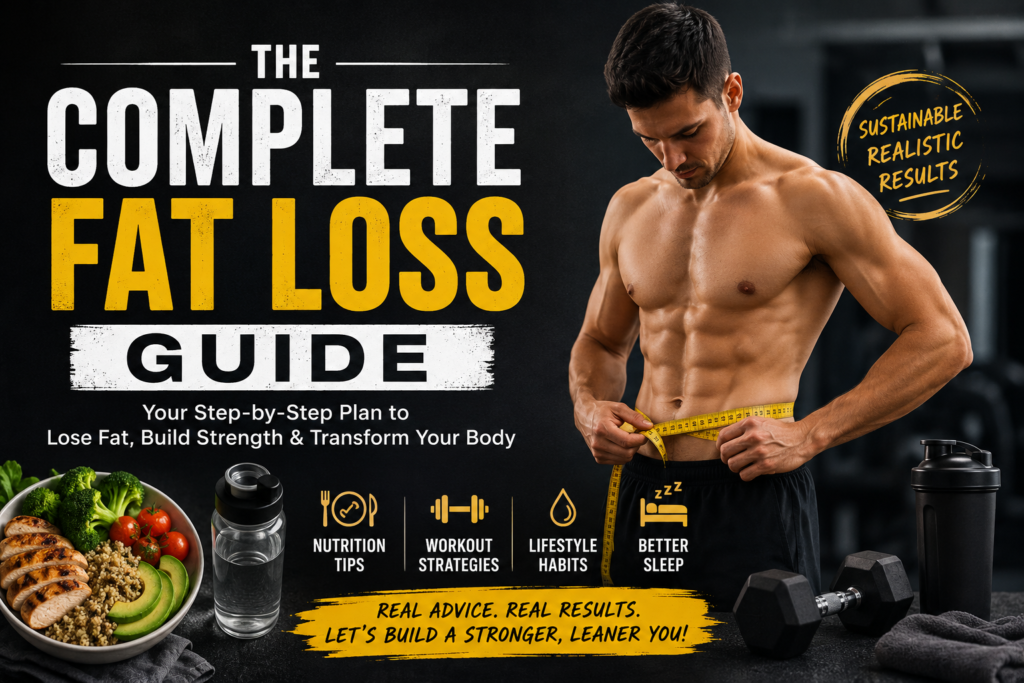
Fat loss is one of the most common fitness goals, but it is also one of the most misunderstood. With countless diet trends, workout programs, and “quick-fix” solutions available online, it’s easy to become confused. The truth is that sustainable fat loss is not about starving yourself or spending hours in the gym—it’s about building healthy habits that you can maintain for life. In this complete fat loss guide, you’ll learn the science behind losing fat, how nutrition and exercise work together, and practical tips to help you achieve lasting results. What Is Fat Loss? Fat loss is the process of reducing your body’s stored fat while preserving as much muscle mass as possible. Unlike weight loss, which includes losing water, muscle, and fat, fat loss focuses specifically on reducing body fat and improving overall body composition. The goal isn’t simply to weigh less—it’s to become healthier, stronger, and more confident. Understanding Calories Your body requires energy to perform everyday activities such as walking, breathing, exercising, and even sleeping. This energy comes from calories. There are three important concepts: Calorie Maintenance: Eating the same number of calories your body burns. Calorie Surplus: Eating more calories than your body burns, leading to weight gain. Calorie Deficit: Eating fewer calories than your body burns, which leads to fat loss. A moderate calorie deficit is the safest and most effective way to lose body fat. Build Your Diet Around Whole Foods Instead of focusing on restrictive diets, prioritize nutritious foods that keep you full and energized. Protein Protein helps preserve muscle during fat loss and increases feelings of fullness. Good protein sources include: Chicken breast Fish Eggs Greek yogurt Paneer Lentils Tofu Healthy Carbohydrates Carbohydrates provide energy for workouts and daily activities. Choose: Brown rice Oats Sweet potatoes Whole wheat bread Fruits Vegetables Healthy Fats Healthy fats support hormones and overall health. Include: Avocados Nuts Seeds Olive oil Peanut butter (in moderation) Stay Hydrated Water plays an essential role in metabolism and digestion. Aim for: 2.5–4 liters of water daily More if you’re physically active or live in a hot climate Sometimes thirst is mistaken for hunger, leading to unnecessary snacking. Strength Training Is Essential Many people believe endless cardio is the key to fat loss. While cardio burns calories, strength training helps maintain and build muscle. Benefits include: Higher calorie burn throughout the day Better body shape Increased metabolism Improved strength Better posture Train each major muscle group at least twice per week. Add Cardio Wisely Cardio is a useful tool but shouldn’t replace resistance training. Good options include: Brisk walking Cycling Swimming Running Jump rope HIIT workouts Aim for 150–300 minutes of moderate cardio per week, depending on your goals. Sleep Matters More Than You Think Poor sleep can increase hunger hormones and reduce motivation. Try to get: 7–9 hours of quality sleep every night Good sleep improves recovery, workout performance, and fat loss. Manage Stress High stress increases cortisol, which may lead to emotional eating and difficulty sticking to healthy habits. Reduce stress through: Meditation Walking Reading Deep breathing Spending time with family and friends Pursuing hobbies Track Your Progress The weighing scale doesn’t tell the whole story. Track: Body measurements Progress photos Strength improvements How your clothes fit Energy levels Fat loss isn’t always linear, so be patient. Common Fat Loss Mistakes Avoid these common errors: Skipping meals Eating too little Overdoing cardio Ignoring protein intake Following crash diets Expecting overnight results Comparing yourself to others Inconsistent workouts Consistency beats perfection every time. Supplements: Do You Need Them? Supplements are optional and should never replace a balanced diet. Some helpful supplements include: Whey protein (to meet protein needs) Creatine monohydrate (supports strength and performance) Vitamin D (if recommended by a healthcare professional) Fish oil (if your diet is low in omega-3 fats) Remember: Nutrition, training, sleep, and consistency matter far more than supplements. Sample Daily Fat Loss Routine Morning Drink water Eat a high-protein breakfast Go for a short walk Afternoon Balanced lunch with protein, vegetables, and complex carbohydrates Stay hydrated Evening Strength training or cardio High-protein dinner Light stretching Night Limit screen time before bed Sleep for 7–9 hours How Long Does Fat Loss Take? Healthy fat loss is a gradual process. A realistic goal is losing around 0.25–1% of your body weight per week, depending on your starting point and overall health. Rapid weight loss often leads to muscle loss and is harder to maintain. Focus on building habits rather than chasing quick results. Final Thoughts There is no secret formula for fat loss. Success comes from consistently eating nutritious foods, maintaining a moderate calorie deficit, strength training regularly, staying active, sleeping well, and being patient with the process. Remember, fat loss is a journey—not a race. Small, consistent improvements each day will produce lasting results. Instead of searching for shortcuts, invest in healthy habits that support your body for years to come. Your goal should not only be to lose fat but also to become stronger, healthier, and more
Why Vegetables Are Important for Fitness?
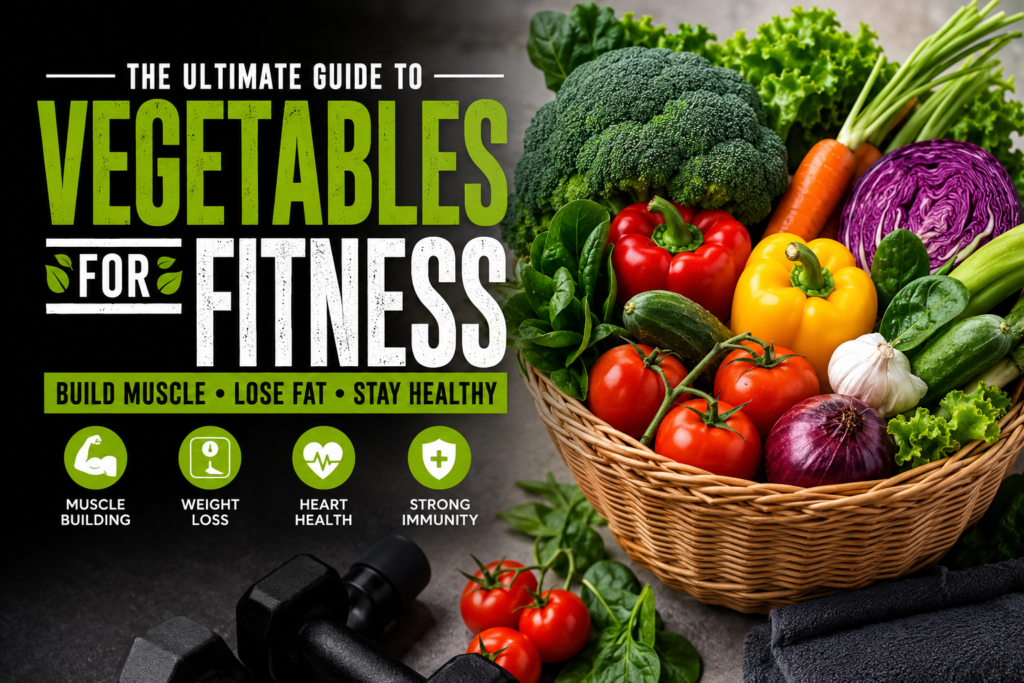
Introduction When people think about fitness, they often focus on protein, supplements, and workouts. However, one of the most powerful tools for improving your health and fitness is something much simpler—vegetables. Vegetables are naturally rich in vitamins, minerals, antioxidants, and fiber while being low in calories. Whether your goal is to lose weight, build lean muscle, improve digestion, or maintain a healthy heart, vegetables should be a major part of your daily diet. In this guide, you’ll learn why vegetables are essential for fitness, which vegetables are the healthiest, and how to include them in your meals. Why Vegetables Are Important for Fitness Vegetables provide nutrients that your body needs to recover from exercise, maintain energy, and support overall health. Key Benefits Low in calories High in dietary fiber Rich in vitamins and minerals Improve digestion Help control blood sugar Support heart health Reduce inflammation Keep you full for longer Strengthen immunity Aid muscle recovery Top 15 Best Vegetables for Fitness 1. Spinach Spinach is considered one of the healthiest leafy greens. Nutritional Benefits Rich in Iron Vitamin A Vitamin C Vitamin K Magnesium Folate Fitness Benefits Supports muscle function Helps reduce fatigue Improves recovery Supports healthy blood circulation Best Ways to Eat: Smoothies Salads Dal Stir fry Soup 2. Broccoli Broccoli is often called a superfood. Benefits High fiber Rich in Vitamin C Contains antioxidants Supports immunity Helps fat loss Best Ways Steamed Stir-fried Soup Salad 3. Bell Peppers Bell peppers are loaded with Vitamin C. Benefits Improves skin health Boosts immunity Supports collagen production Rich in antioxidants Colors Available Green Red Yellow Orange 4. Carrots Carrots are rich in beta-carotene. Benefits Healthy eyesight Better immunity Skin health Good snack option 5. Beetroot Beetroot naturally contains nitrates. Benefits Better endurance Improved blood flow Better workout performance Supports heart health 6. Cucumber Perfect for hydration. Benefits High water content Low calories Refreshing Helps digestion 7. Cabbage Benefits High fiber Supports gut health Low calorie Great for salads 8. Cauliflower Benefits Rich in Vitamin C Good fiber source Low carbohydrate Helps weight loss 9. Sweet Potato Although technically not a typical vegetable in some classifications, it’s one of the best carbohydrate sources. Benefits Slow-digesting carbohydrates High fiber Rich in potassium Great pre-workout food 10. Tomatoes Benefits Rich in lycopene Supports heart health Powerful antioxidants Good for skin 11. Green Beans Benefits Good fiber Vitamin K Low calorie Supports weight management 12. Mushrooms Benefits Low calorie Contains Vitamin D (when exposed to sunlight) Supports immunity Good for muscle recovery 13. Pumpkin Benefits Rich in Vitamin A High fiber Supports eye health Great for weight loss 14. Bottle Gourd (Lauki) Benefits Easy to digest Hydrating Low calories Supports heart health 15. Okra (Bhindi) Benefits Rich in soluble fiber Supports blood sugar control Good for digestion Heart-friendly Best Vegetables for Weight Loss If your goal is fat loss, prioritize these vegetables: Spinach Broccoli Cucumber Cabbage Cauliflower Bottle Gourd Bell Peppers Tomatoes Mushrooms Green Beans These vegetables provide maximum nutrition while keeping calories low. Best Vegetables for Muscle Building While vegetables don’t contain large amounts of protein, they support muscle growth through vitamins and minerals. Excellent choices include: Spinach Sweet Potato Broccoli Beetroot Mushrooms Bell Peppers Green Beans Best Vegetables for Heart Health Heart-friendly vegetables include: Spinach Beetroot Tomatoes Broccoli Bottle Gourd Okra Cabbage These vegetables help support healthy cholesterol levels, blood pressure, and circulation. Tips to Get Maximum Nutrition Eat a variety of colorful vegetables. Prefer steaming over deep frying. Avoid overcooking. Wash vegetables thoroughly. Include both cooked and raw vegetables. Aim for at least 3–5 servings daily. Sample One-Day Vegetable Meal Plan Breakfast Vegetable oats with spinach, carrots, and bell peppers. Mid-Morning Snack Cucumber and tomato salad. Lunch Whole wheat roti, dal, broccoli, and spinach sabzi. Evening Snack Carrot sticks with homemade yogurt dip. Dinner Mixed vegetable stir fry with paneer or tofu. Frequently Asked Questions (FAQs) Which vegetable is best for weight loss? Spinach, broccoli, cucumber, cabbage, and cauliflower are among the best choices because they are low in calories and high in fiber. Can vegetables help build muscle? Yes. While vegetables are not high in protein, they provide vitamins, minerals, and antioxidants that support muscle recovery and overall performance. Should I eat vegetables before or after a workout? Vegetables can be eaten at any time. Pair them with carbohydrates before a workout and with protein after a workout for balanced nutrition. Are raw vegetables healthier than cooked vegetables? Both have benefits. Raw vegetables preserve some heat-sensitive vitamins, while cooking can improve the absorption of certain nutrients like lycopene in tomatoes and beta-carotene in carrots. How many vegetables should I eat daily? Aim for at least 400 grams (about 5 servings) of vegetables each day as part of a balanced diet. Final Thoughts Vegetables are the foundation of a healthy fitness diet. They provide essential nutrients that support energy, muscle recovery, digestion, immunity, heart health, and sustainable weight management. By including a wide variety of colorful vegetables in your meals every day, you can improve both your fitness performance and your long-term health without relying on expensive supplements. Remember: Protein builds muscles, carbohydrates provide energy, healthy fats support hormones—but vegetables keep your entire body functioning at its best.